

In recognition of National Nurses Month and the extraordinary role nurses play in caring for and advocating for patients and families, we spoke with Jill Pollander, RN, MSN, NORD Vice President of Patient Services. Drawing on decades of nursing experience spanning emergency care, palliative care, academia, and patient advocacy, Jill shares insights into the realities individuals with rare diseases face every day and the importance of compassionate, patient-centered support.
1. What inspired you to become a nurse, and how did that journey lead you to rare disease advocacy?
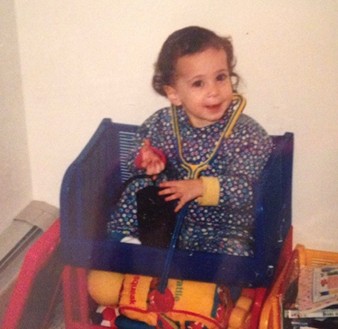
For as long as I can remember, I wanted to be a nurse. As a child, I loved reading the Cherry Ames book series, which followed a nurse caring for patients in all kinds of health care settings. I was fascinated by the many ways nurses could make a difference in people’s lives.
That passion became deeply personal when my mother became sick and passed away while I was very young. Watching the impact nurses had not only on my mother, but on my entire family, stayed with me and reinforced my decision to pursue nursing as a career.
I attended Northeastern University in Boston and initially focused on emergency nursing because I wanted to make a difference in critical moments. At the time, I intentionally chose emergency care because I was mindful about becoming too emotionally attached.
Over time, however, I realized I wanted deeper relationships with patients and families. I wanted to understand what happened after they left the emergency room. That realization led me into long-term care, pain management, palliative care, academia, and patient advocacy.
Throughout my career, I found myself drawn to caring for those with complex, underserved, and often rare conditions. When I came across the opportunity to lead Patient Services at the National Organization for Rare Disorders (NORD) nearly eight years ago, it felt as though everything I had done professionally had come together in a single role.
2. What makes caring for rare disease patients and families different from other areas of nursing?
In many areas of medicine, there are established standards of care, clinical pathways, and best practices that help guide treatment decisions. In rare disease, patients and families are often navigating completely uncharted territory.
One lesson from my coursework that has always stayed with me came from an instructor who said, “The book is a compilation of things that worked once for somebody. It will give you a plan of care and a course of action.” In rare diseases, there are often no “textbooks” or standards of care for a given rare disease. Patients, caregivers, nurses, and care teams of specialists are often learning together in real time, adapting care to the patient’s individual lived experiences and disease progression.
That’s what makes rare disease care so different and so personal. It requires flexibility, deep listening, collaboration, and advocacy to help patients navigate challenges that often have no clear or established path forward.
3. Beyond the diagnosis itself, what are some of the biggest challenges rare disease families face?
For many, the reality is that the disease(s) impact nearly every aspect of daily life; not just a person’s health, but their independence, finances, emotional well-being, education, employment, and ability to access care.
For many patients, it is not just about managing symptoms, but about losing the ability to do everyday things many of us take for granted, like attending school consistently, maintaining a job, caring for children, traveling independently, or even getting to medical appointments. Families also face enormous financial and logistical burdens, from expensive treatments and insurance barriers to transportation, caregiving, and access to specialized care.
There is also a significant emotional toll. Many patients and caregivers experience isolation and a lack of understanding from employers, schools, friends, and even extended family members.
Ultimately, what matters most to individuals with rare diseases is whether they can live their lives — whether they can spend less time hospitalized, rely less on oxygen support, walk farther unassisted, and participate more fully in everyday life. That is why rare disease research, and clinical trial endpoints need to be approached differently. Traditional measures do not always capture what meaningful progress looks like for patients with rare diseases.
Improvements in daily functioning, independence, and overall quality-of-life outcomes are what matter most to patients and caregivers.
4. How do NORD’s Patient Assistance Programs help support patients and caregivers?
NORD currently manages more than 90 disease-specific Patient Assistance Programs serving approximately 8,000 patients and families. These programs help patients overcome financial and logistical barriers that may prevent them from accessing care. Depending on the program and available funding, assistance may include:
- Health insurance premiums and co-pays
- Diagnostic testing and specialist visits
- Medications and treatment-related expenses
- Travel assistance for specialized care
- Medical foods and nutritional support
- Physical, occupational, or speech therapy
- Emergency non-medical assistance, such as transportation or short-term utility support
Just as important, our team listens and helps families navigate what can be an overwhelming and often isolating experience. Many patients and caregivers do not know what resources are available or where to turn next as they navigate insurance barriers, financial strain, caregiving responsibilities, and the complex realities of coordinating care for a rare disease.
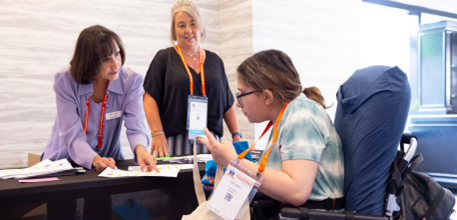
While NORD is proud to support thousands of families, the need continues to outpace available resources. More than 30 million Americans are living with a rare disease, and many still face barriers to care, financial support, and specialized services. Expanding access to care and resources requires continued collaboration across industry, philanthropy, and the broader community.
5. After years of working with rare disease patients and families, what continues to inspire you most?
The heart of this community.
I am constantly inspired by the resilience, commitment, and compassion of patients, caregivers, advocates, and healthcare professionals working in the rare disease space. Rare disease can impact nearly every part of a person’s life, but it does not define who they are.
Every day, I see people fighting not only for themselves, but for others facing similar challenges. I also see the dedication of our Patient Services team, many of whom have been with NORD for years because they believe deeply in this mission.
When patients tell us we helped lessen a burden, remove a barrier, or make life just a little easier, that is incredibly meaningful. That is why we do this work.

