Patient Stories
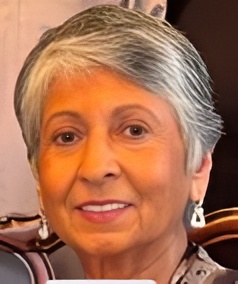
Zeba, New York
Telehealth
Living with diffuse scleroderma means navigating a rare disease that can look different from patient to patient. For me, it took six months and visits with three different doctors before I received a diagnosis. The symptoms can be difficult to recognize, and there are very few doctors and medical centers with specialized expertise in scleroderma. For patients who do not live near a major medical center, accessing that expertise can be even more challenging.
Scleroderma can affect the skin, lungs, kidneys, gastrointestinal tract, heart, and other parts of the body. As the disease progresses, patients may need specialized care to manage complex and potentially life-threatening complications. Yet specialists are often concentrated in metropolitan areas, leaving many patients to travel long distances or struggle to access the expertise they need.
That is why I share my story. Telehealth can help bridge geographic barriers and connect people living with rare diseases to specialized providers, regardless of where they live. We must continue to advocate for policies that expand access to telehealth and ensure that rare disease patients have the opportunity to receive timely, specialized care, no matter their ZIP code.
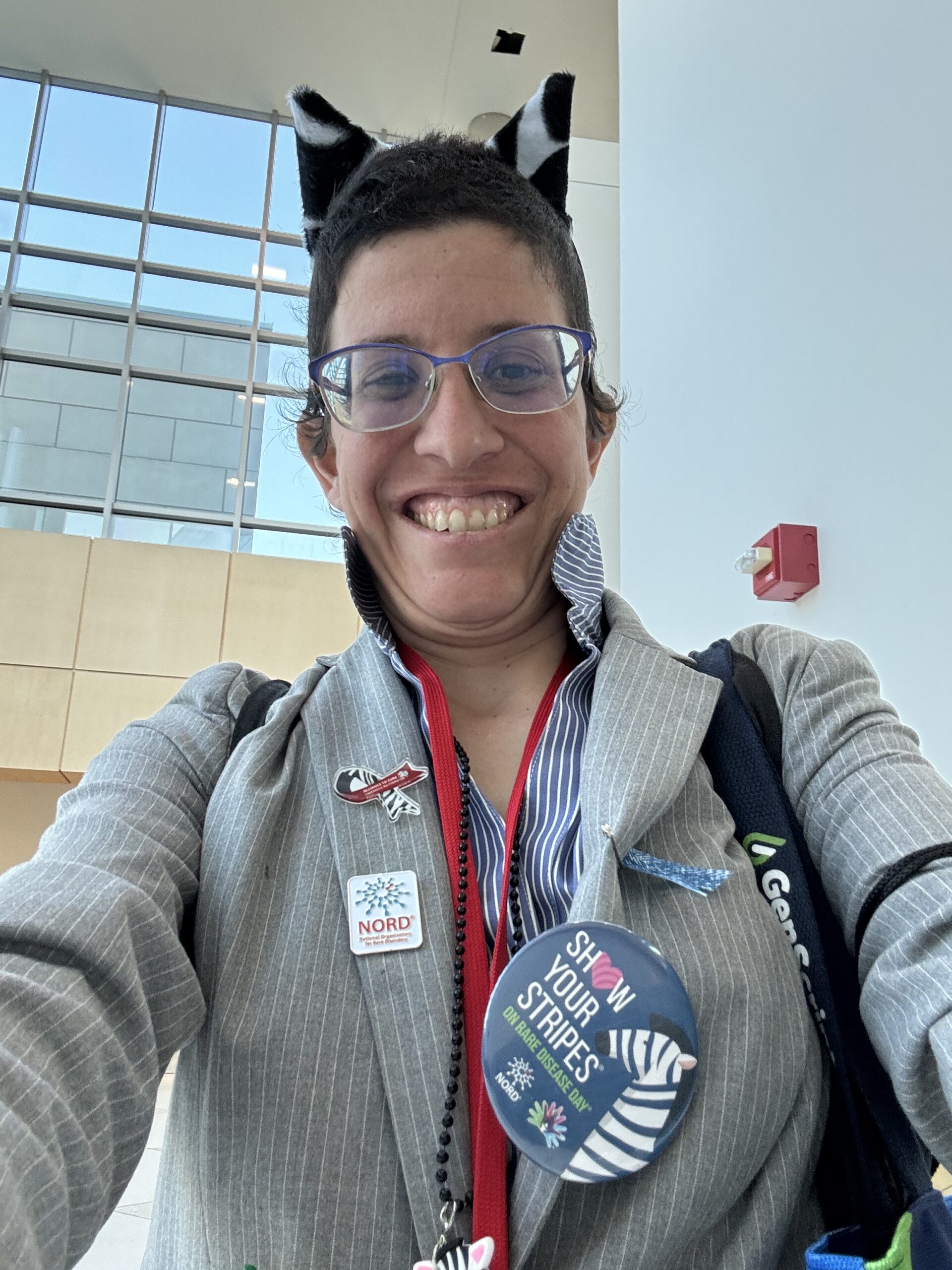
Allison, Washington DC
Rare Disease Advisory Council
I’m a rare disease patient with Cavernous Malformation (CM). It took 8 years and 10 doctors to get a diagnosis across two countries. I began having neurological symptoms while serving in the Peace Corps (PC) in Mongolia. My symptoms improved, then got worse. After PC, I went to law school. While studying for the California bar exam, my symptoms became severe. Within a month, I was diagnosed. A doctor at Stanford told me I needed surgery because my C5-6 cavernoma (non-cancerous tumor) had hemorrhaged, and that I could be paralyzed without it. Recovery took a year.
A year later, I moved to DC and became an attorney, then a rare disease advocate. I have to travel to VA or CA for care. For patients like me, access to specialized rare disease care can depend on where we live.
Unfortunately, my journey to get diagnosed is a very common experience for rare disease patients. That is why I advocate for the establishment of Rare Disease Advisory Councils (RDACs). RDACs give a formal voice in state government to rare disease patients and families and can help address significant challenges our community faces, including delayed diagnosis, misdiagnosis, limited treatment options, high out-of-pocket costs, and restricted access to medical specialists.

Gabriela, Florida
Newborn Screening
Living with a rare urea cycle disorder like Lysinuric Protein Intolerance (LPI) means that from the very beginning, life was not simple. I went through 14 years of misdiagnosis, including failure to thrive, mental alterations, seizures, and celiac disease, which ultimately led to exhaustion and frequent vomiting.
On April 8, 2019, a metabolic crisis nearly took my life. It was only because a doctor thought to check my ammonia levels that I received the diagnosis I had needed since birth. For patients like me, early detection and timely intervention are the critical diving line between permanent neurological challenges and the opportunity for a patient to thrive.
That is why I share my story. We must advocate for a federal newborn screening system that gives rare disease patients the opportunity to thrive before it is too late.

Sheila, Minnesota
Newborn Screening
The journey to a PPA2 deficiency diagnosis often comes only after a life-threatening cardiac event or devastating loss. Earlier detection through expanded newborn screening has the potential to save lives through monitoring, and gives families answers before tragedy strikes.
By supporting newborn screening initiatives we can help create a future where earlier diagnosis, improved care, and life-saving discoveries become possible for the entire rare disease community.

Bradley, Colorado
Rare Disease Advisory Council
Can you spell that for me?” Hypogammaglobulinemia. Twenty-one letters, all one word.
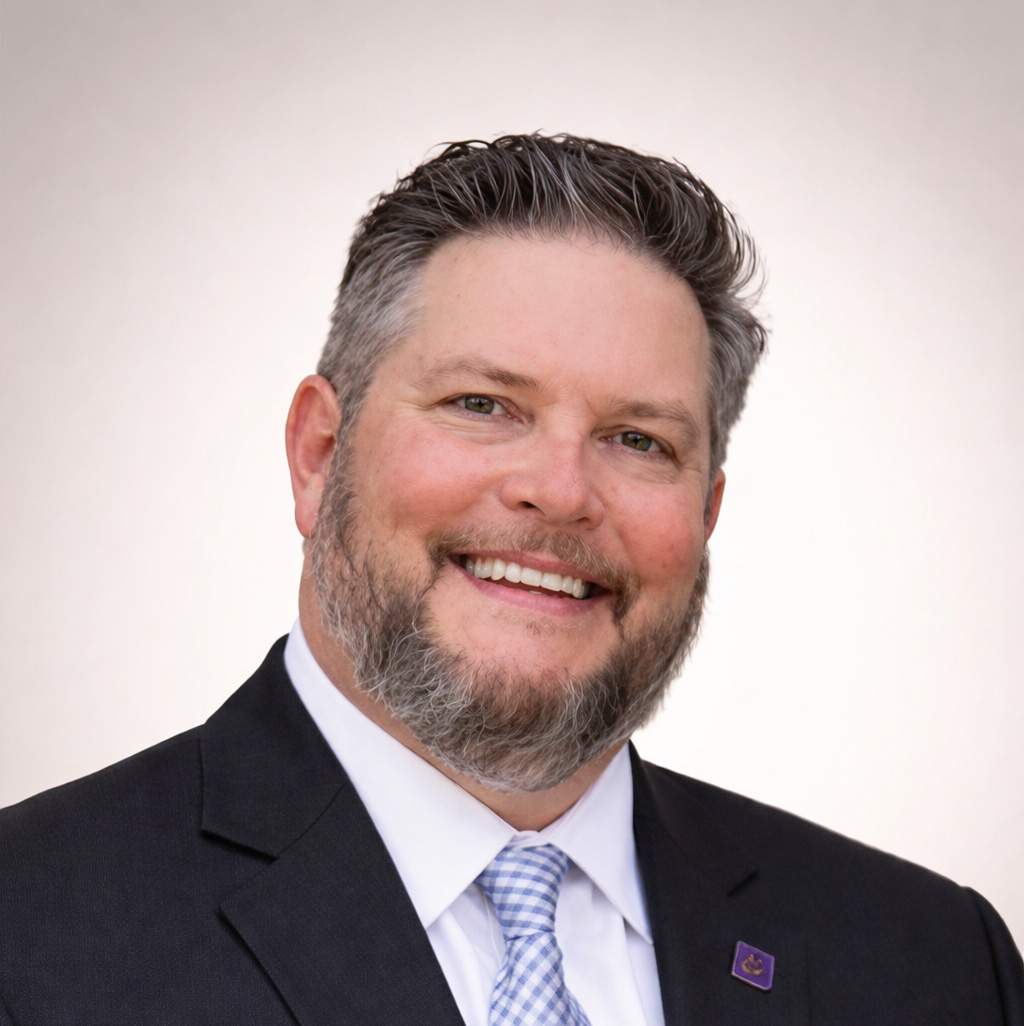
Living with a 1-in-125 billion combination of primary immunodeficiency, Beta Thalassemia Minor, and a mechanical heart valve makes me a living testament to why rare disease patients in every state need their experience and voice represented by a Rare Disease Advisory Council (RDAC).
RDACs give the rare disease community a formal voice in state government and can help elevate critical priorities for rare disease patients, shortening the diagnostic odyssey, improving clinical education, and increasing availability of mental health resources.
In my experience, the system is woefully unprepared for the psychological toll of rare diseases. Plunged into a suicidal “death spiral,” I was denied psychiatric inpatient admission because staff feared my PIDD. NORD’s fight for mental health parity and removing barriers to care is vital. Survival shouldn’t require battling the institutions built to heal us. I champion NORD to turn terrifying diagnoses into clear paths forward.
Eric, California
Out-of-Pocket Costs
Living with rare and chronic liver diseases like Alpha-1 Antitrypsin Deficiency and Addison’s Disease means the medications I rely on to stay stable are incredibly expensive. Like many rare disease patients, manufacturer copay assistance makes it possible for me to access treatment.
When copay accumulator programs are used, that assistance suddenly doesn’t count toward my deductible or out-of-pocket costs. For patients like me, that can mean thousands of dollars in unexpected bills and real fear about whether we can continue treatment.
That’s why the work of the National Organization for Rare Disorders matters so deeply. Patient voices must be heard so policies protect access to the treatments our lives depend on.

Tammy, Arkansas
Step Therapy
Step therapy has been a big challenge for my family. Just this year, three of my immediate family members were taken off medications that were working very well and were required to try other, less expensive medications. Why change what is working and unsettle patients’ quality of life? Step therapy should not be used for patients who are already stable on a medication that is effective for them.
Pat, New Jersey
Medical Nutrition
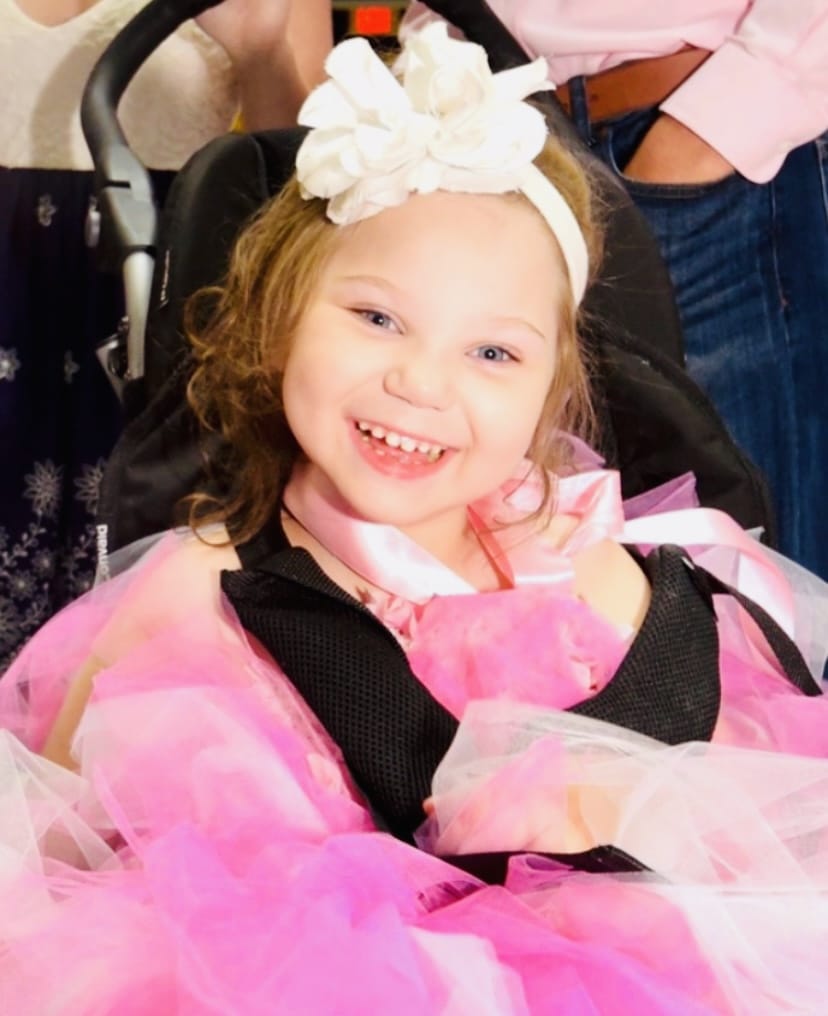
My seven-year-old daughter, Kinsley, has digestive issues and is no longer able to eat by mouth or accept feeds through G- or J-tube access. She has been dependent on total parental nutrition (TPN) for almost four years, but it is critical to try to keep her stomach moving to prevent any damage. Her physicians have prescribed her 5mL of Pedialyte to be administered by the enteral feeding pump, at the cost of $700. Insurance denied coverage, stating patients must take in at least 25 mL per hour in order to qualify. Her fragile system cannot handle a higher volume, as her multiple medical specialists have testified. Rare disease patients must have their prescriptions and nutritional products covered appropriately without delay, so that patients do not regress.
Nick, Tennessee
Newborn Screening
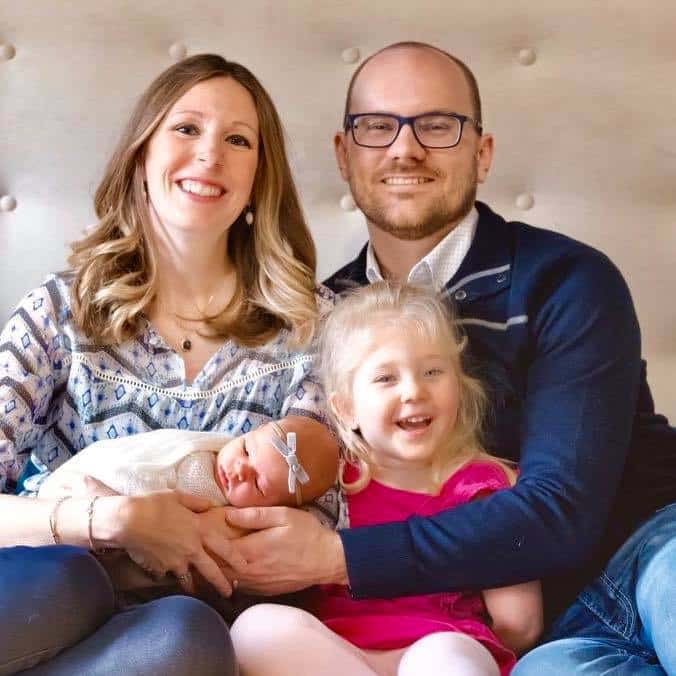
My four-year-old and eleven-month-old daughters were both screened at birth. Both girls were found to have elevated levels of phenylalanine and diagnosed with phenylketonuria (PKU). Fortunately, their cases are mild and treatable with medication. Thanks to early screening and continued monitoring, we can keep the phenylalanine levels low and controlled without any developmental or other health issues.
Out-of-Pocket Costs
My previous employer’s health benefit plan lacked adequate coverage for the medication my daughter requires to treat her metabolic condition, phenylketonuria (PKU). By mid-2018 we had used up all funds on our co-pay card and we were at risk of having to find another way to cover the high cost of our daughter’s medication. NORD provided assistance to bridge the gap, which allowed us to keep my daughter’s prescription filled through the remainder of that year. Today, I’ve changed employment and my current company covers the medication appropriately.
Mike, California
Newborn Screening
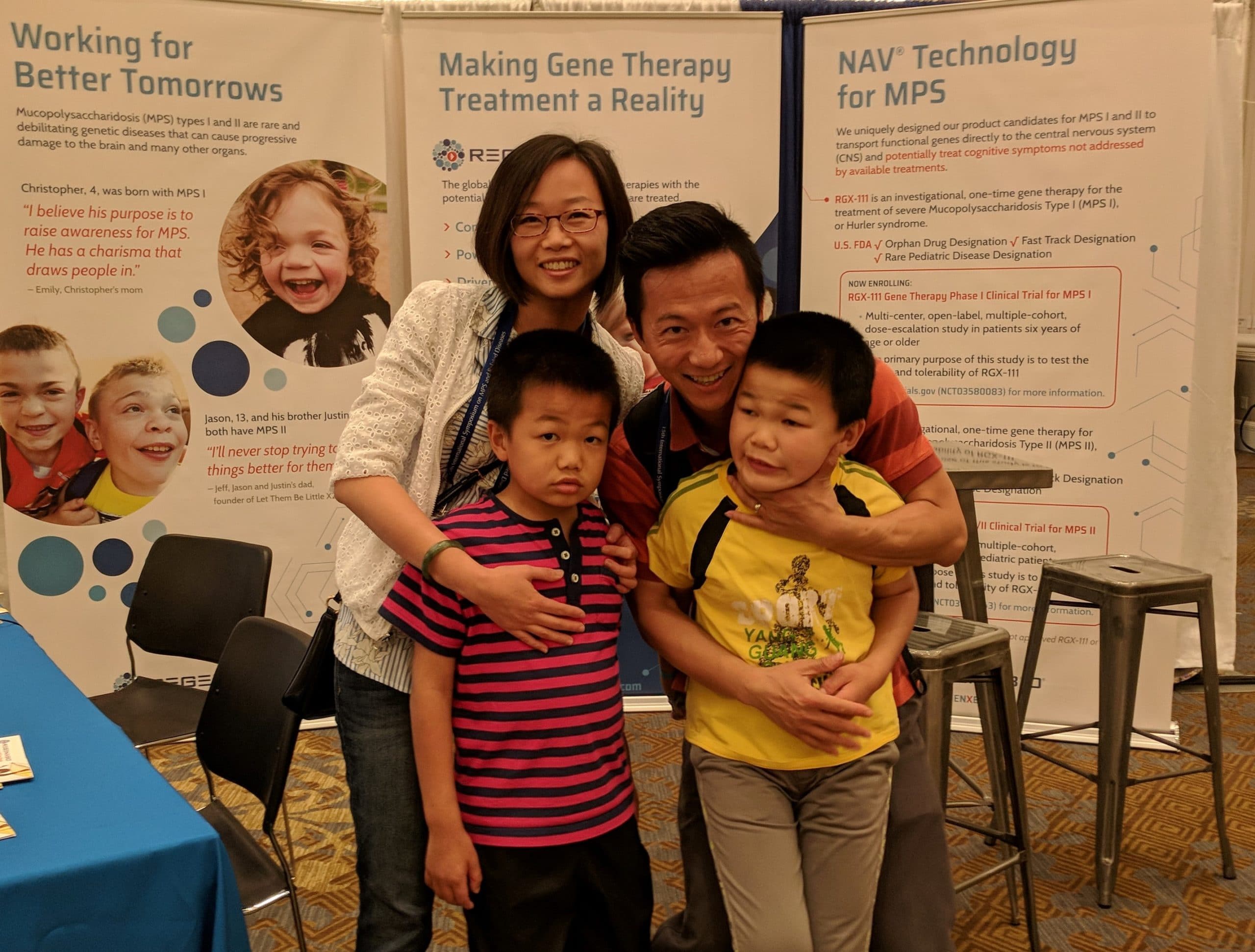
I have two boys who were diagnosed with a rare genetic disease called mucopolysaccharidosis type II (MPS II, aka Hunter syndrome). My sons were diagnosed around the same time, at the ages of four and one respectively. Nine years after starting treatment, the younger one, who began treatment at a younger age (thanks to his brother’s diagnosis), is faring far better than his elder brother in many ways. The most likely reason for this is his early treatment. Imagine if they had both been diagnosed as newborns and treated immediately.

Jennifer, Kentucky
Medical Nutrition
I have several complex medical issues and require medical nutrition as part of my treatment. I have often found that insurance does not cover the cheaper and less invasive treatment option. My physicians wanted me on three to four nutritional drinks a day, consumed orally, but insurance would not cover this cost. Insurance would, however, cover the cost of a permanent feeding tube and supplies, as well as hospitalizations due to complications from the feeding tube.
Jana, Virginia
Newborn Screening
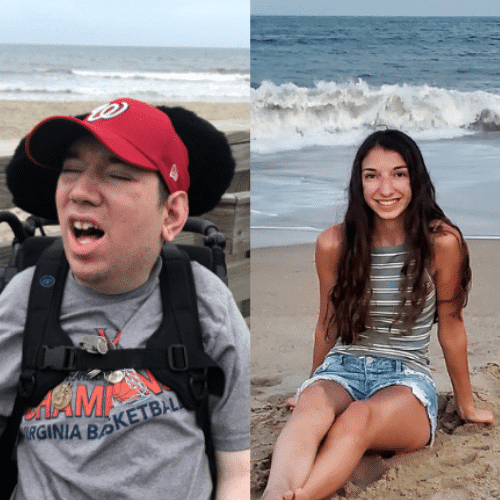
From just looking at my son, 22, and daughter, 17, who both have isovaleric academia, the profound impact of newborn screening on my family and our children’s lives is obvious. Their lives parallel one another only with the close management of their disorder by their specialists. Stephen’s late diagnosis at age three and a half due to lack of NBS altered his normal life to one with severe disabilities and complex medical issues. Caroline, on the other hand, was screened early and lives a normal, healthy life fulfilling her dream as an equestrian. Stephen and Caroline represent why newborn screening is so critical for every baby.Medical Nutrition
My son Stephen and daughter Caroline both have an inborn error of metabolism whose treatment includes a medical formula that restricts a specific amino acid in their diet. While costly, it is imperative that they have access to this specialized treatment. Medical nutrition has enabled them to grow, develop and remain metabolically stable, and it must be covered by insurance.
NORD State Report Card®
Since 2015, evaluating all 50 states plus DC across 9 critical policy areas affecting the 30 million Americans living with rare diseases and their families.
It is important to note the issues contained here in touch on several critical and relevant policy areas at the state level, but the nine issues evaluated within this report card are not exhaustive and there are many others that impact the lives of rare disease patients.
The latest edition of the State Report Card® was compiled using data current as of December 2025. It is a snapshot in time using data from various available sources including state laws, legislative and legal databases, state agency websites, and bill tracking systems. As state policies evolve throughout the year, information may change after publication. We welcome you to submit updates or information that was not available during our research period using the ‘Report A Data Error’ button located below the state map.
NORD hopes the State Report Card® can serve as a tool for patients, advocates, and policymakers as they strive to advocate for state policies to best serve the needs of the rare disease community.
How does your state measure up?
Select your state below to see how it ranks on key rare disease policy issues.
A
B
C
D
F
Explore by Policy Issue






Policy Action Checklist
Ready to improve your state's grade? Join NORD's Rare Action Network® to drive policy change!
- Join the Rare Action Network® at rareaction.org
- Take part in calls-to-action at rarediseases.org/take-action
- Learn about issues that matter to the rare disease community