Join us in this historic, nationwide effort to improve health research.

The National Institutes of Health's All of Us Research Program is a historic effort to collect and study data from one million or more people living in the United States and its territories. The goal of All of Us is to speed up health research discoveries, enabling new kinds of individualized health care. To make this possible, the program is building one of the world's largest and most comprehensive databases for health research.
Our mission is simple: We want to speed up health research so that everyone can get personalized health care to prevent and treat disease.
The program needs participants who reflect us and our communities. That's why the All of Us Research Program is asking one million people to join.
Join researchers and scientists who are looking for answers to some of our toughest health questions.
By taking into account individual differences in lifestyle, environment, and biology, researchers may uncover paths toward delivering personalized health care.
Discover the latest participant stories and research updates.
A study published in the Archives of Dermatological Research demonstrates how a large national population cohort can shed light on...
Read Full StoryWhen researchers at NORD Rare Disease Center of Excellence Vanderbilt University Medical Center set out to understand how pulmonary arterial...
Read Full StoryHow All of Us Data Reveals Scientific Insights A recent genomic analysis published in PLOS Genetics illustrates how large, diverse...
Read Full Story

A study published in the Archives of Dermatological Research demonstrates how a large national population cohort can shed light on rare disease risks that have previously been understudied. Using the National Institutes of Health (NIH) All of Us Research Program database, investigators from Weill Cornell Medicine found that individuals with congenital ichthyosis have higher odds of several skin cancers compared to matched controls, a finding the authors suggest could inform clinical monitoring.
The research was led by Dr. Shari R. Lipner, Professor of Clinical Dermatology at Weill Cornell Medicine, a NORD Rare Disease Center of Excellence, together with co-authors Kaya L. Curtis and Steven Zeldin. The study demonstrates that meaningful rare disease research can be conducted using population-scale data resources.
Congenital ichthyoses (CI) are a rare and heterogeneous group of keratinization disorders characterized by defective keratinocyte differentiation, resulting in chronic scaling, skin barrier disruption, and inflammation. Though case reports had suggested a possible link between CI and increased risk of skin cancer, no large-scale study had ever quantified that risk relative to the general population.
Several biological mechanisms have been proposed to explain why CI patients might be at elevated cancer risk, including chronic inflammation and impaired skin barrier function. Yet without a large comparison group, these hypotheses remained difficult to evaluate empirically.
Dr. Lipner described what drew her team to this question: “Congenital ichthyoses are rare, genetically driven skin barrier disorders. Because of their rarity, important questions, including ‘what are the long-term cancer risks?’ are challenging to answer with traditional, single-center datasets. While case reports have long suggested a possible link between ichthyosis and cutaneous malignancies, this risk has not been quantified at a population level.
The All of Us dataset offered a way to move beyond anecdote. Its scale and national scope made it possible to identify a sufficiently large cohort of patients with congenital ichthyosis and compare them to well-matched controls. Our motivation was to take a clinical observation and test it rigorously in a large dataset.”
To study this association, the team conducted a nested case-control study using the All of Us database. They identified 198 participants with congenital ichthyoses and matched them 1:12 to 2,376 controls. Using multivariate logistic regression, they assessed the odds ratios for congenital ichthyoses and skin cancer associations.
The scale and diversity of All of Us made this study possible. On using the platform, Dr. Lipner noted: “The process of accessing and working with the All of Us database was relatively straightforward. Coding allowed us to match congenital ichthyosis patients with controls based on demographics and controlling for confounding factors. The cloud-based environment with Jupyter notebooks allowed for computationally intensive tasks, such as multivariate regression and quantile regressions with 10,000 bootstrap replications, to run without being bottlenecked by local hardware.”
After controlling for potential confounders, congenital ichthyosis was significantly associated with actinic keratosis (AK) (OR = 3.65), a pre-malignant lesion, meaning CI patients were more likely to have AK than matched controls. CI was also associated with melanoma (OR = 2.39) and basal cell carcinoma (BCC) (OR = 1.90). Squamous cell carcinoma (SCC) did not reach statistical significance. The absence of a statistically significant SCC association stands in contrast to earlier case literature, which had identified SCC as the most commonly reported skin cancer in CI. The authors suggest this may reflect underdiagnosis in clinical practice: SCCs can be challenging to recognize against the backdrop of the scaling, redness, and thickening that characterize CI skin, as well as differences in cohort composition and data source limitations.
Age at malignancy diagnosis was also examined. Median ages at diagnosis for CI participants were 66.4 years for AK, 74.6 years for BCC, 74.2 years for melanoma, and 71.6 years for SCC, broadly similar to controls, though generally older than ages reported in prior case literature, which the authors attribute to reporting bias toward younger, more striking cases in smaller published series.
Based on their results, the authors recommend routine skin cancer surveillance in CI patients, pending additional studies with larger cohorts and narrower confidence intervals. Dr. Lipner reflected on where this work is headed: “This work propelled us to perform additional research projects. We extended the analysis into a separate large dataset (TriNetX), where we corroborated the data from our All of Us project. We also performed an additional case-control study utilizing the All of Us database, studying the association of congenital ichthyosis with cutaneous infections. We found that congenital ichthyosis patients had higher odds of onychomycosis, cutaneous fungal infections, verruca, and tinea pedis.”
Studies like this one highlight how population-scale data can begin to fill gaps in rare disease research. Many rare diseases lack dedicated registries or large prospective research cohorts, meaning that the majority of clinical recommendations are built on expert opinion and small case series. Population databases such as All of Us cannot replace disease-specific studies or clinical trials, but they offer a matched general population comparator, at scale, across a diverse and nationally representative cohort. That makes it possible to move some clinical observations toward evidence-based, actionable recommendations that can inform screening and treatment guidance.
Limitations of the current study include the relatively small number of CI participants, the inability to stratify by ichthyosis subtype, and the exclusion of pediatric patients. The All of Us database’s policy of masking cohort sizes when counts fall below 20 also imposed some reporting constraints on rare outcomes. The study’s strengths include its large, matched control group, diverse participant population, and rigorous case-control design.
All of Us is poised to build one of the world’s most robust health databases, with future releases expected to include data from more than 747,000 participants available in the Curated Data Repository Version 9 (CDRv9), including whole genome sequences from over 535,000 participants and continued expansion of pediatric enrollment. This growing resource will enable scientists to better understand health across diverse populations and generations, advancing opportunities for discovery in rare disease research and beyond.
All of Us data is already enabling new research on rare conditions. Scientists are using the program’s genomic and health history data to uncover rare gene‑disease links more reliably than before. Researchers are studying neurofibromatosis, cystic fibrosis, autoimmune diseases, Ehlers-Danlos syndrome, sickle cell disease, pulmonary arterial hypertension, and many other conditions.
Researchers interested in conducting similar analyses can apply for access to the All of Us Researcher Workbench at workbench.researchallofus.org. The Workbench provides cloud-based tools for analyzing genomic data, electronic health records, physical measurements, and survey responses from a cohort that continues to grow.
This blog post is funded by the Division of Engagement and Outreach, All of Us Research Program, National Institutes of Health. Pyxis Partners Award Number: 1OT2OD038104-01
When researchers at NORD Rare Disease Center of Excellence Vanderbilt University Medical Center set out to understand how pulmonary arterial hypertension (PAH) affects patients’ daily lives, they turned to the NIH All of Us Research Program.
A study published in Pulmonary Circulation demonstrates how population-scale datasets, like All of Us, can strengthen rare disease research by providing well-matched comparison groups for analyses that would otherwise be limited by small sample sizes. Using wearable device data and matched controls from the All of Us study, Vanderbilt collaborated with institutions across the United States to examine physical activity, sleep, and quality of life in individuals with PAH. The study reflects a broader effort to integrate digital health data into the study of rare diseases, where traditional clinical measures often capture only a limited view of disease progression.
Rare diseases such as PAH are typically studied using disease-specific cohorts and clinical metrics such as a 6-minute walk distance test. While these approaches are essential, they often rely on episodic measurements collected during clinic visits. Measures such as the 6-minute walk distance provide important information about functional capacity, but they have known limitations and do not always capture how patients function in their daily environments. In this study, investigators used wearable devices to collect real-world longitudinal data on physical activity and sleep over a 12-week period in 110 individuals with PAH, with 44 participants followed longitudinally over one year. To interpret these findings, they constructed a matched control cohort using All of Us participants matched on age, sex, body mass index, and Fitbit monitoring dates.
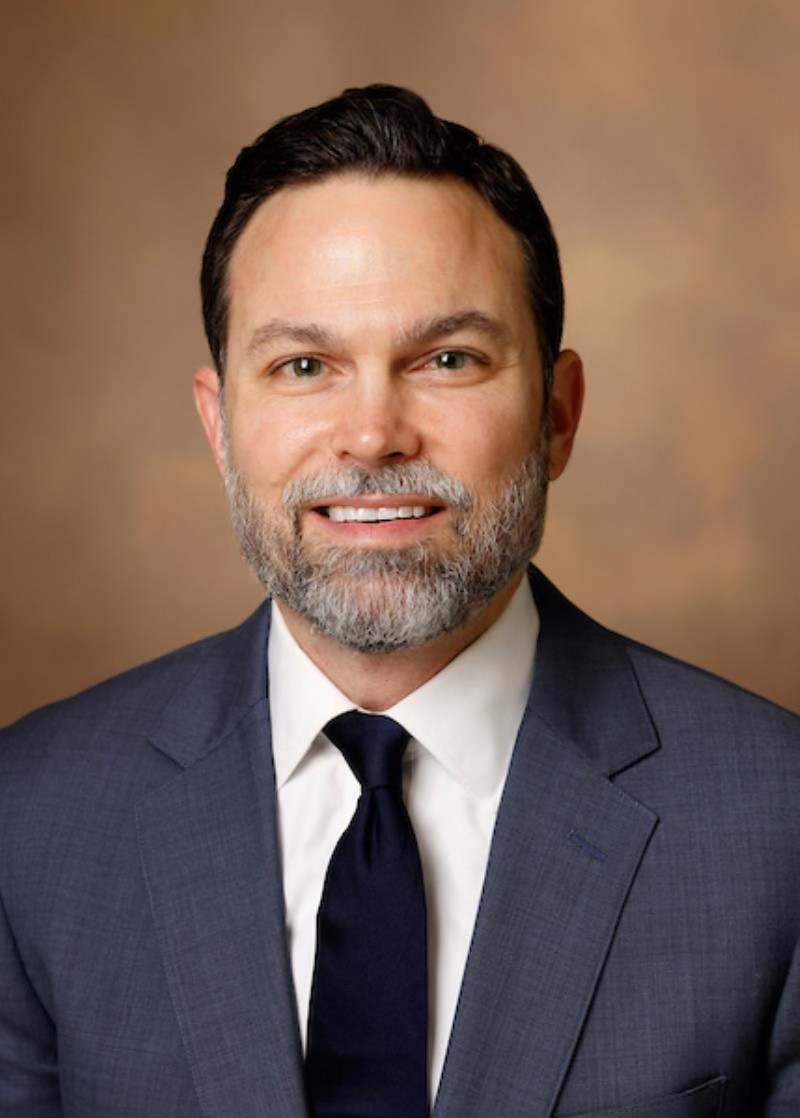
Dr. Evan Brittain, the study’s corresponding author and a cardiologist at Vanderbilt University Medical Center, emphasized the value of this approach: “The All of Us Research Program offers a rare combination of scale, diversity, and multimodal data that is difficult to replicate in traditional cohorts. For conditions like PAH, where single-center datasets are inherently limited, it provides an opportunity to study risk, early signals, and heterogeneity in a broader population context. More broadly, we were motivated by the ability to link clinical data with wearable and behavioral data to better understand disease trajectories outside of the clinic.”
By incorporating All of Us data, the study was able to compare activity and sleep patterns in PAH with those observed in a broader population, providing important context for interpreting wearable-derived measures.
The analysis showed that individuals with PAH had substantially lower levels of daily activity compared to matched controls. PAH patients averaged approximately 5,200 steps per day at baseline, compared to 7,369 steps in matched controls — a gap that persisted at one-year follow-up. Minutes of moderate-to-vigorous physical activity were also markedly lower in PAH patients (8.9 minutes per day versus 31.7 minutes in controls). Daily step count correlated strongly with 6-minute walk distance and with patient-reported quality of life, indicating that wearable-derived activity captures meaningful aspects of disease burden.
Sleep patterns also differed significantly between groups. Individuals with PAH spent considerably less time in rapid eye movement (REM) sleep than matched controls at baseline (17.3% versus 21.6%), and this gap persisted at one year. Longitudinal follow-up showed that sleep quality worsened over time in PAH patients, with the percentage of light sleep increasing and REM sleep declining — changes that were statistically significant compared to controls. Over the same period, daily step counts fell from 5,200 to 4,651.
These findings highlight the value of continuous, real-world data in capturing aspects of disease progression that may be difficult to capture through traditional clinical assessments alone.
The ability to measure activity and sleep over time raises the possibility of identifying early changes in health status before they are clinically apparent. This concept is particularly relevant for rare diseases, where progression may be gradual and difficult to quantify using standard endpoints.
Dr. Brittain noted that this work has reshaped his team’s research agenda: “One of the most important insights has been the potential to detect early, preclinical changes — what we think of as a ‘digital prodrome’ — using wearable and behavioral data. This has shifted part of our focus toward identifying early risk states and trajectories rather than studying disease only after diagnosis. It has also opened new directions in integrating consumer-generated health data with traditional clinical data across both common and rare conditions.”
More broadly, this work suggests that wearable data may serve as a complementary source of longitudinal phenotyping, helping researchers better understand how patients function in daily life and how those patterns change over time.
For rare disease research, one of the most consistent challenges is the lack of appropriate comparison populations. This study illustrates how All of Us can help address that gap by providing access to large-scale datasets with linked wearable, clinical, and demographic data.
On working within the platform, Dr. Brittain observed that “the platform is well designed and user-friendly, particularly for investigators working in cloud-based environments. The ability to work within a secure, centralized workspace with curated datasets is a major strength. They’ve also built strong support mechanisms and shared code resources that make it easier to get started.”
Rather than replacing disease-specific cohorts, population-based datasets such as All of Us can complement them, enabling analyses that place rare disease findings in a broader population context.
This study demonstrates that integrating wearable data with population-scale cohorts can provide new insights into disease burden and progression in rare conditions. By combining continuous behavioral monitoring with rigorously matched comparison groups, researchers can begin to characterize changes in function and health status that are not captured through traditional clinical methods.
For rare disease investigators, this approach offers a framework for incorporating digital measures and external comparator datasets into research design, to better characterize and contextualize disease progression.
All of Us is building one of the largest and most robust, multimodal health datasets available for research, with more than 880,000 participants enrolled and hundreds of thousands contributing genomic, clinical, and behavioral data. The forthcoming 2026 release of Curated Data Repository Version 9 (CDRv9) expands the cohort to more than 751,000 participants and substantially broadens available data types. This year, researchers will be able to access large-scale genomic data on more than 535,000 participants, as well as newly available tens of thousands clinical notes with natural language processing-derived concepts, along with a significant increase in digital health data. Wearable data from Fitbits will increase from 59,000 participants to approximately 68,000 participants — the largest publicly available Fitbit dataset — with Apple HealthKit data coming later this year.
“Rare disease research has always faced a fundamental numbers problem: too few patients, too little data, too few comparison populations. All of Us was designed to change that equation. The fact that nearly 23,000 researchers across the world are already using our data and have generated more than 1,350 peer-reviewed publications tells us the scientific community sees what’s possible here,” said All of Us CEO Josh Denny, M.D., M.S.
Scientists are using the program’s genomic and health history data to uncover rare gene‐disease links more reliably than before. Researchers are studying neurofibromatosis, cystic fibrosis, autoimmune diseases, Ehlers-Danlos syndrome, sickle cell disease, and many other conditions.
Researchers interested in conducting similar analyses can apply for access to the All of Us Researcher Workbench at researchallofus.org. The Workbench provides cloud-based tools for analyzing genomic data, electronic health records, physical measurements, and survey responses from a cohort that continues to grow.
This blog post is funded by the Division of Engagement and Outreach, All of Us Research Program, National Institutes of Health. Pyxis Partners Award Number: 1OT2OD038104-01
A recent genomic analysis published in PLOS Genetics illustrates how large, diverse population cohorts can generate rare disease insights that are often difficult to obtain through disease-specific registries alone. Drawing on genomic data from more than 13,000 New York City participants enrolled in the National Institute of Health’s All of Us Research Program (All of Us), the study shows how population-scale resources can be used to identify pathogenic variants, founder populations, and ancestry-specific genetic risks that remain poorly documented in many communities.
All of Us is building one of the world’s most robust health databases, with more than 873,000 participants enrolled, including pediatric participants, and over 414,000 whole genome sequences released to researchers, it is helping scientists understand health across populations and across generations.
The work in this published study was led by Dr. Srilakshmi M. Raj, Associate Professor at Albert Einstein College of Medicine, in collaboration with investigators at Montefiore-Einstein and the New York Center for Rare Diseases. Montefiore-Einstein is a NORD Rare Disease Center of Excellence, and the study reflects its broader commitment to rare disease research that is grounded in the needs of its local patient population.
Rare diseases are often investigated through disease-specific registries, case series, or sequencing efforts. These approaches remain essential, but they are often constrained by limited sample sizes and uneven representation of diverse populations – gaps that All of Us was specifically designed to address. Additionally, with over 10,000 known rare diseases, this disease-specific approach can be difficult to scale.
In this study, the investigators took a complementary approach. By analyzing patterns of identity-by-descent across New York City participants in All of Us, they identified seven founder populations, or groups of individuals who share elevated genetic relatedness due to historical bottlenecks or shared ancestry. Within these populations, the team detected 201 pathogenic or likely pathogenic variants that were significantly enriched, including 22 variants that had not previously been recognized as founder alleles.
These findings emerged because the analysis began with a broad, community-based cohort rather than a disease-specific registry. As Dr. Raj explained, the choice of dataset was closely tied to the mission of Montefiore-Einstein as a health system serving the Bronx: “Montefiore-Einstein is one of only a few academic medical centers that serves as the primary health system for an entire county. When I joined the faculty, I wanted to orient my research toward questions that prioritize the residents of the Bronx.”
She noted that, in the absence of a local population biobank, All of Us offered a way to study the genetics of the community at scale: “All of Us provided the best avenue for us to work with our community to do research that benefited our community.”
A central finding of the study was that several enriched pathogenic variants were concentrated in Caribbean-ancestry founder populations, including Puerto Rican and Garifuna groups. Many of these risks have been under-characterized in existing genomic reference datasets, reflecting broader gaps in the representation of diverse populations in genetic research.
The analysis also demonstrated that self-reported race and ethnicity did not reliably predict rare variant burden in this highly admixed urban population. Instead, population-scale genomic data made it possible to identify shared ancestry and founder effects that cut across conventional demographic categories.
Community engagement was a core component of the work. Dr. Raj emphasized that community leaders from the identified populations were involved as collaborators: “We invited community leaders to participate as co-authors on our manuscript and worked closely with leaders from each of the groups we identified.”
The New York City findings served as a foundation for broader analyses. Dr. Raj’s team has since expanded this work nationwide using All of Us data, identifying population-specific genetic architecture and rare disease risks across dozens of groups in the United States. They have also conducted large-scale admixture mapping studies that highlight how genetic risk varies across heterogeneous populations, such as Latinos from different geographic and ancestral backgrounds.
Importantly, this research is being translated back into care. Building on findings of elevated cardiomyopathy risk in the Garifuna population, the team received an NHLBI-sponsored BuildUP Trust Challenge Prize to support community-engaged genetic screening and education. Working with trusted community leaders, they are developing approaches to improve awareness and access to genetic services in an under-studied population with a strong presence in the Bronx.
This study underscores that population-based cohorts are not a substitute for rare disease registries, but they are an increasingly important complement. When combined with careful analysis, community partnership, and clinical expertise, general population datasets can reveal rare disease risks that would otherwise remain invisible, particularly in communities that have historically been overlooked.
For NORD Rare Disease Centers of Excellence, including Montefiore-Einstein, this work highlights the value of integrating population-scale genomic data into a broader rare disease research and care ecosystem — one that supports discovery, improves diagnostic equity, and remains grounded in the communities it serves.
Dr. Raj is a featured speaker at the 2026 NORD Rare Disease Scientific Symposium, happening April 14-15, where she and other experts from the NORD Rare Disease Centers of Excellence will review their rare disease research findings and share lessons learned for other researchers.
All of Us data is already enabling new research on rare conditions. Scientists are using the program’s genomic and health history data to uncover rare gene‐disease links more reliably than before. Researchers are studying neurofibromatosis, cystic fibrosis, autoimmune diseases, Ehlers-Danlos syndrome, sickle cell disease, and many other conditions.
Researchers interested in conducting similar analyses can apply for access to the All of Us Researcher Workbench at researchallofus.org. The Workbench provides cloud-based tools for analyzing genomic data, electronic health records, physical measurements, and survey responses from a cohort that continues to grow.
This blog post is funded by the Division of Engagement and Outreach, All of Us Research Program, National Institutes of Health. Pyxis Partners Award Number: 1OT2OD038104-01
Learn More"When I was diagnosed with a chronic condition that has no known cure, I realized that there is still a lot of unknowns in the field of medicine-especially for people who live with rare or autoimmune disorders. That is why we need to get started looking for answers somewhere. And we may not have to look too far. With everybody's support, we should gain new health insights and see connections in lifestyle, genetic and environmental factors that maybe we should have understood a long time ago. That is why I joined All of Us."
Users explore a wide range of biomedical and health research questions in the Research Hub. Our Discover section showcases the stories, projects, and publications made possible by All of Us data and tools.
Source: https://www.researchallofus.org/discover/
The Research Hub houses one of the largest and most comprehensive datasets broadly accessible for health research. It also provides an interactive Data Browser where anyone can learn about the type and quantity of data that All of Us collects. Researchers can explore aggregate data including genomic variants, survey responses, physical measurements, electronic health record information, and wearables data.
The All of Us Researcher Workbench is a secure, cloud-based platform that houses All of Us data. Only researchers whose institutions have signed a Data Use and Registration Agreement (DURA) may register for the All of Us Researcher Workbench. This agreement must be signed by an institutional signing official. Visit the Research Hub to confirm if your institution has a DURA in place.
Join us to learn more about getting started on the All of Us Researcher Workbench.
Sessions will be held once approximately every 3 weeks on Fridays from 10:00AM-11:30AM ET virtually. The 12-session series will be held from September 2025 to June 2026, and you are free to register to any and all sessions.
Register Now →Subscribe to the Research Roundup newsletter to stay connected with All of Us. Quarterly, you'll receive the latest All of Us news, funding opportunities, and more.
Subscribe →Browse or search the FAQs to learn more about the All of Us Research Program and the data and tools available through the Research Hub.
View FAQs →Please complete this form to access the requested resource.

